
RESTORE will offer three separate summer courses in 2027.
The courses are provided at no cost to selected participants. Space is limited, particularly for Courses 2 and 3, and spots will be awarded on a competitive basis.
Applications for the Summer 2026 courses have closed. Applications for the 2027 courses will open in Spring 2027.
Additional Information:
- Dormitory housing may be available for California residents attending Courses 2 and/or 3 on campus.
- Meals and transportation are not included.
Summer 2026 In-person Courses:
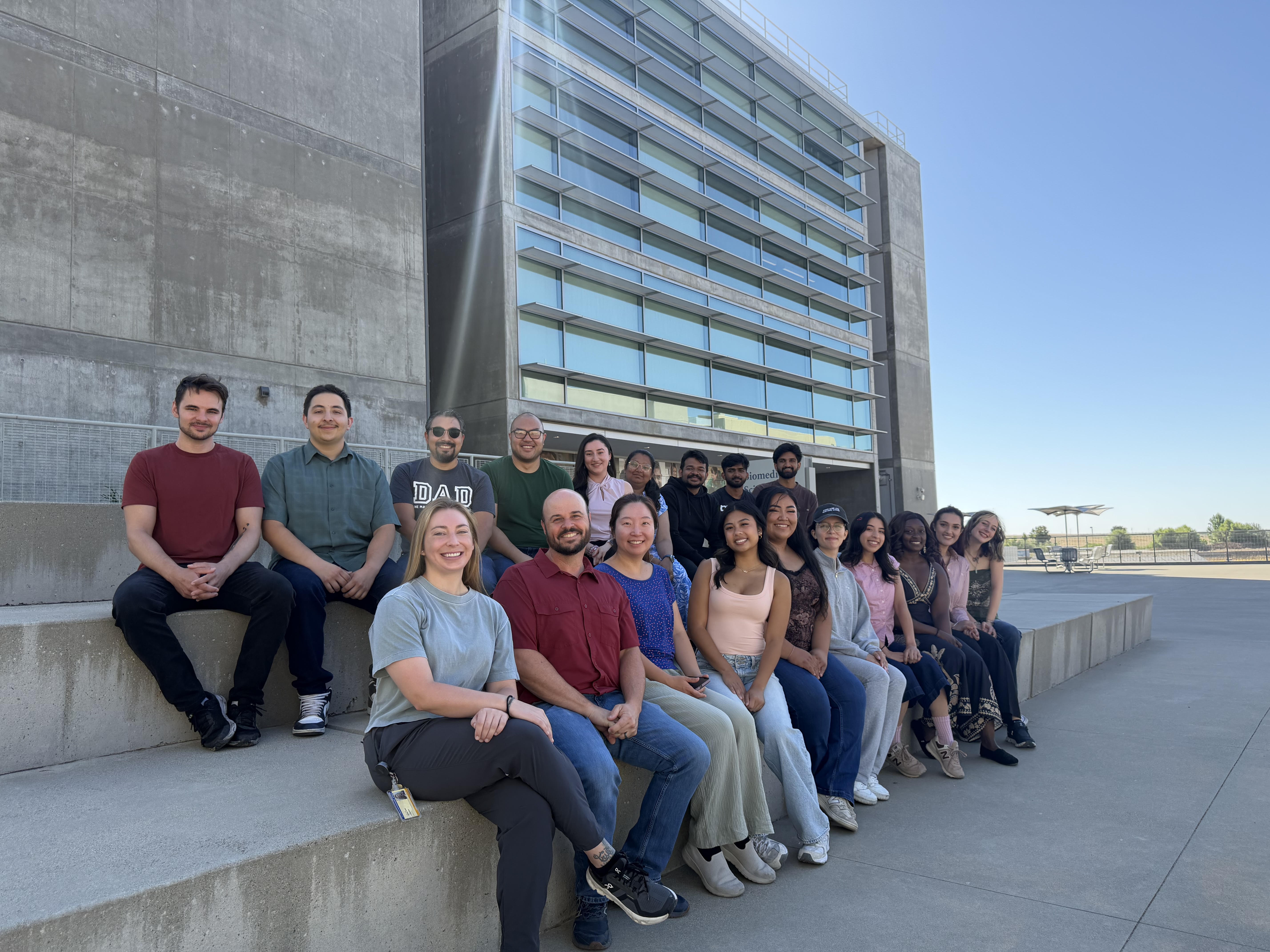
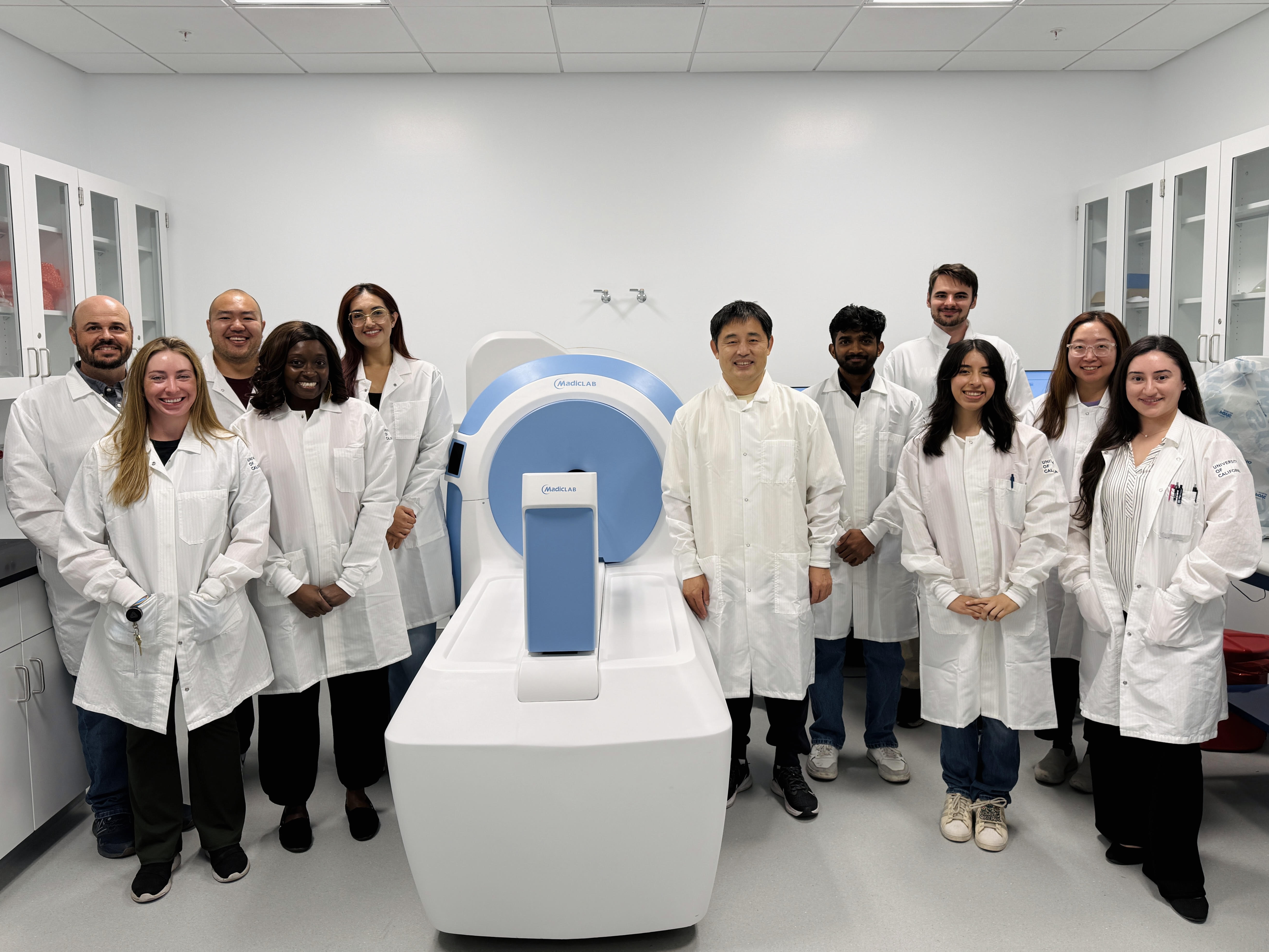
Course #1: Introduction to iPSC Generation and Characterization
Dates: June 22-26, 2026
Online introductory course: 1 week, 40+ participants
Instructors:
Dr. Kara McCloskey
Dr. Jennifer O. Manilay
This intensive one-week fully online course provides a comprehensive overview of induced pluripotent stem cell (iPSC) generation and characterization techniques. Through a series of asynchronous online lectures and synchronous interactive discussions, participants will gain theoretical knowledge essential for working with iPSCs.
The course will be delivered via Zoom. Plan for 2–3 hours daily, including:
- A live daily discussion (12:00–1:00 pm, Monday through Friday, attendance required)
- Self-paced work: recorded lectures, assignments, and knowledge checks
Note: A device with Zoom (audio & video) is required. No laboratory or hands-on technical training will be offered in this course. Students seeking this type of training should enroll in UCM RESTORE Course #2: Advanced iPSC Generation, Differentiation, and Characterization for Generating Vascular Models (In Person, Hands-On Laboratory Course) and/or Course #3: Advanced Characterization of iPSCs In Vivo: Small Animal Imaging (In-Person, Hands-On Laboratory course)
Intended Audience
This course is suitable for advanced undergraduates, graduate students, and professional scientists seeking a broad overview of the topics. Although some review will be provided in specific lectures, it is expected students have learned basics of molecular biology, cell biology and genetics in prerequisite courses. Students can opt to use outside resources for clarification or more detailed exploration of a topic of interest.
Course Learning Objectives
By the end of this course, participants should be able to:
1. Describe general characteristics of stem cells.
2. List and compare different types of stem cells.
3. Understand the principles of iPSC generation and the reprogramming techniques involved.
4. Describe basic iPSC culture and maintenance procedures.
5. Outline how to characterize iPSCs for pluripotency markers and assess their differentiation potential.
6. Analyze and interpret data from iPSC characterization assays.
7. Discuss how to troubleshoot common issues encountered during iPSC culture and characterization.
Course #2: Advanced iPSC Generation, Differentiation, and Characterization for Generating Vascular Models
Dates: July 6-17, 2026, 9AM-5PM daily
Instructors:
Dr. Kara McCloskey
Dr. David Gravano
Dr. Jose Zamora
Dr. Marisa Bickel
In-person laboratory course: 2 weeks, 20 participants max
This intensive two-week course provides a comprehensive overview of induced pluripotent stem cell (iPSC) generation and characterization techniques. Through hands-on in person training at UC Merced’s Shared Stem Cell Resource Laboratory, participants will gain technical skills essential for working with iPSCs. Intended Audience This course is suitable for advanced undergraduates, graduate students, professional scientists seeking advanced technical training in iPSC generation and characterization. Previous knowledge and proficiency in sterile technique and cell culture methods is expected. We suggest completion of our UCM RESTORE Course #1: Introduction to iPSC Generation and Characterization (online) for individuals before or in conjunction with this laboratory course.
Course Learning Objectives
By the end of this course, participants should be able to:
1. Understand the principles of iPSC generation and the reprogramming techniques involved.
2. Perform basic iPSC culture and maintenance procedures.
3. Characterize iPSCs and assess their pluripotency using histology, fluorescence microscopy and flow cytometry.
4. Follow protocols to differentiate iPSCs into specific cell types.
5. Analyze and interpret data from iPSC characterization and differentiation assays.
6. Troubleshoot common issues encountered during iPSC culture, characterization and differentiation.
7. Generate microfluidic devices
8. Generate 3D vascular tissue
9. Learn image processing techniques for quantifying vasculature
Course #3: Advanced Characterization of iPSCs In Vivo: Small Animal Imaging
Dates: July 20-24, 2026, 9AM-5PM daily
In-person laboratory course: 1 week, 8 participants max
Instructors:
Dr. Changqing Li
Dr. Jennifer Manilay
Dr. David Gravano
Dr. Marisa Bickel
This intensive one-week long course will provide participants with the history, advantages and disadvantages of the use of NSG mice for the characterization of iPSCs and iPSC-differentiated tissues in vivo. It will also provide technical training in handling small rodents in preparation for live imaging, and a comprehensive understanding of in vivo small animal imaging techniques. Working in small teams, participants will be equipped with the necessary skills to effectively utilize IVIS, microPET, and microCT scanners in preclinical research settings. Through a series of hands-on laboratory sessions, participants will gain technical skills related to characterization of iPSCs and their derivatives in vivo. Intended Audience: This course is suitable for advanced undergraduates, graduate students, and professional scientists seeking advanced technical training in iPSC characterization using in vivo small animal models. Knowledge and proficiency in sterile technique is expected. We suggest completion of our UCM RESTORE Course #1: Introduction to iPSC Generation and Characterization (online) for individuals before or in conjunction with this laboratory course. Note: This course will utilize live small animals (mice or rats). Participants may be required to be pre-approved for live animal work and undergo occupational health screening as a precaution before working with any animals (see Required Materials, Tools and PreTraining).
Course Learning Objectives: By the end of this course, participants should be able to:
1. Explain why NSG mice are useful for characterization of iPSCs.
2. Discuss ethical and regulatory aspects that must be considered when using animals in research
3. Describe and identify the proper methods of housing and handling immunodeficient NSG mice, to ensure the animals’ welfare and quality of research results.
4. Design experimental protocols to characterize iPSC-derived tissues or cell types in NSG mouse models, considering factors such as sample preparation, timing, and endpoints.
5. Understand the principles and applications of in vivo imaging techniques such as IVIS, microPET, and microCT.
6. Understand the non-ionizing and ionizing radiations emitted during in vivo scans.
7. Gain proficiency in operating IVIS, microPET, and microCT scanners, including setup, calibration, and troubleshooting.
8. Learn the fundamentals of mouse handling and preparation for in vivo imaging studies, including anesthesia and animal positioning.
9. Develop the skills to acquire high-quality in vivo images using IVIS, microPET, and microCT scanners, optimizing parameters such as exposure time, resolution, and contrast.
10. Interpret and analyze in vivo images acquired from IVIS, microPET, and microCT scanners, including identifying anatomical structures, functional features, and molecular signals
